Which surfaces are actually included?
A room can include walls, ceilings, baseboards, window trim, doors, closets, and built-ins. Two proposals for the same room may cover different combinations. List each surface rather than relying on a label such as “whole-room painting.”
| Scope item | Question to settle |
|---|---|
| Walls | Are all walls included, and are accent colors separate? |
| Ceilings | Are they included, and are there stains or texture concerns? |
| Trim and doors | Which pieces and which door faces will be coated? |
| Closets and built-ins | Are interiors, shelves, and contents handling included? |
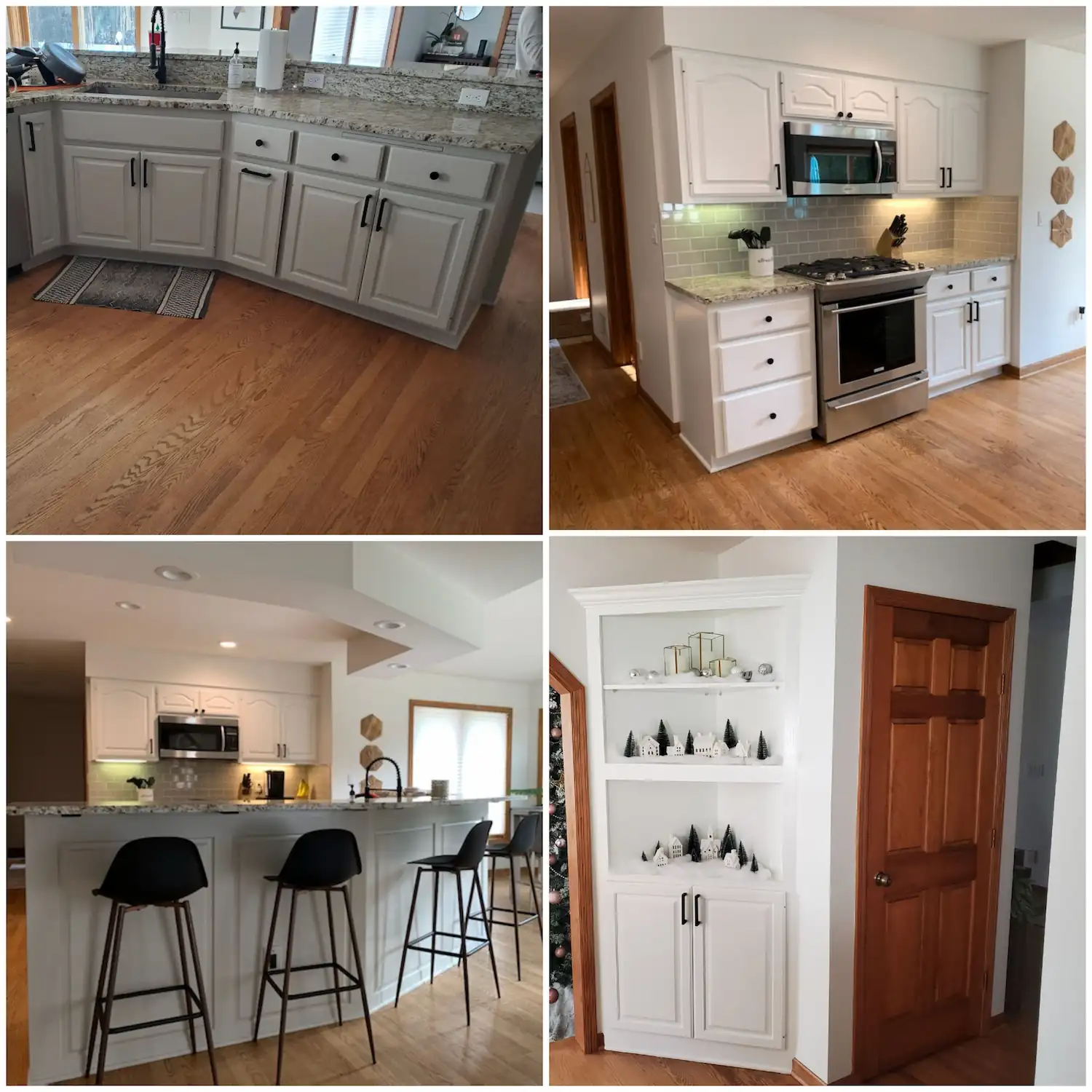
| Cabinets | Is this a separate preparation and finishing scope? |
Use the list to identify omissions before comparing totals. An apparently lower price may simply leave out surfaces another contractor has included.
Why is floor area different from painting area?
The walls depend on perimeter and height; the floor depends on length and width. Consider an illustrative rectangular room, 12 feet by 14 feet, with an 8-foot ceiling. Its floor area is 168 square feet, but its gross wall area is 416 square feet before subtracting openings.
| Surface | Calculation | Area |
|---|---|---|
| Floor or flat ceiling | 12 × 14 | 168 sq. ft. |
| Four walls before openings | 2 × (12 + 14) × 8 | 416 sq. ft. |
| Walls plus ceiling before openings | 416 + 168 | 584 sq. ft. |
The example explains why adding a ceiling changes the scope and why a tall room differs from a standard-height room with the same floor plan. Measurements make proposals clearer; they do not replace an assessment of the surfaces.
How much does it cost to paint a 12×12 room?
A 12×12 bedroom falls within our one-room planning range of $400–$1,600. A small room with walls only and little repair sits toward the lower end; ceilings, trim, repairs and color changes move it up. With an 8-foot ceiling, its four walls total 384 square feet before openings and the ceiling adds 144 square feet.
What moves the same room up the range:
- Painting the ceiling, trim, doors or closet as well as the walls.
- Patching, crack repair or texture blending before paint (see do painters repair drywall?).
- A large color change, such as dark to light, that needs primer or an extra coat (see when walls need primer).
- Higher or vaulted ceilings, stairwells and furniture that has to be worked around.
Painters usually price by the defined scope rather than a flat per-room or per-square-foot rate, because two rooms with the same floor size can need very different work. Several rooms painted at once are scoped together, so ask for each room and surface to be listed.
How does existing condition affect the estimate?
Point out damaged drywall, old repairs, stains, loose coatings, and areas where previous work looks uneven. Ask what preparation is included and which conditions need separate assessment. A straightforward repaint and a room requiring substantial repair are different projects even when their dimensions match. Minor repairs such as nail pops and small holes are normally part of a repaint; see do painters repair drywall?
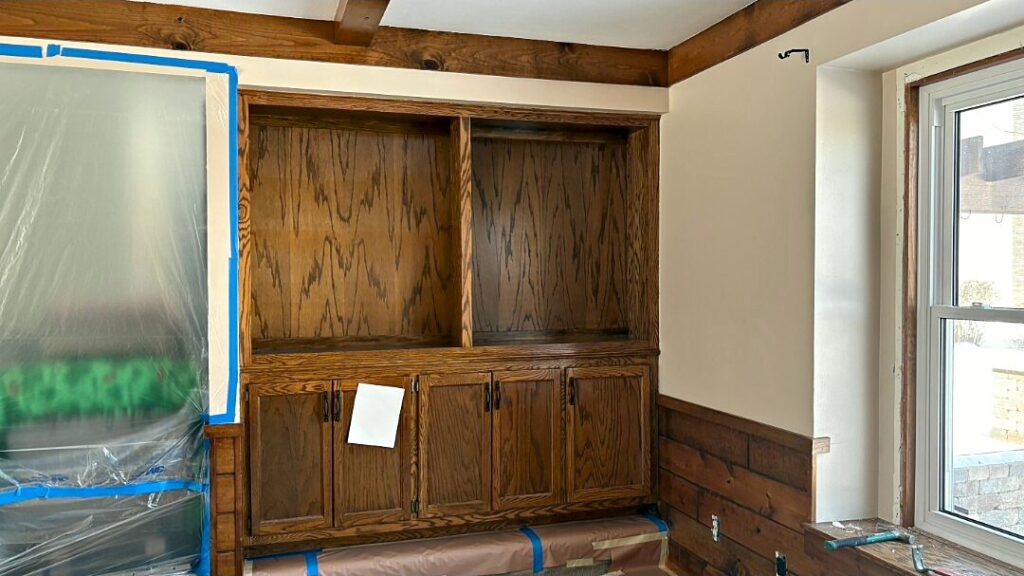
Where drywall repairs are needed, agree on their extent and the intended finish. Also ask what happens if hidden damage is found. An estimate should explain how changes are approved, not imply that every unknown can be absorbed into the original scope.
Why do access and protection matter?
High ceilings, stairways, crowded rooms, and occupied work areas can change the plan. The estimator needs to understand how the surfaces can be reached and how belongings will be protected. Share access restrictions and the rooms you need to keep using.
- Who moves and returns furniture?
- Are window treatments or wall-mounted items being removed?
- Will work be phased around an occupied home or office?
- Are there restricted working hours or special access arrangements?
- Does another trade need to complete work first?
These are scope questions, not reasons to expect an automatic surcharge. Their purpose is to make sure the proposal reflects the conditions rather than an empty, easy-access room that does not exist.
How do paint and finish choices enter the price?
Ask for the proposed product, sheen, preparation, and coverage approach for each surface. A wall repaint, stained trim conversion, and cabinet finish should not be compared as if they were interchangeable coats of the same material. For cabinets specifically, see cabinet painting vs. refacing vs. replacing.
Identify major color changes or special appearance goals during the estimate. If you are considering several options, ask whether they can be shown separately. That lets you make a budget decision without quietly removing preparation or protection needed for the selected work.
Do not assume a product’s price per gallon explains the project total. The proposal also describes the labor and sequence required to achieve the agreed result.
What makes competing estimates comparable?
Wisconsin DATCP recommends getting written estimates and comparing the work and materials offered in its home-improvement consumer guidance. For painting, use a checklist of surfaces, preparation, products, protection, cleanup, exclusions, and change approvals.
Ask each contractor to clarify unclear items before choosing. If one estimate includes ceilings and repairs while another includes walls only, the totals do not answer the same question. Likewise, a verbal promise should be reflected in the written agreement if it matters to your decision.
What can you send for a useful first conversation?
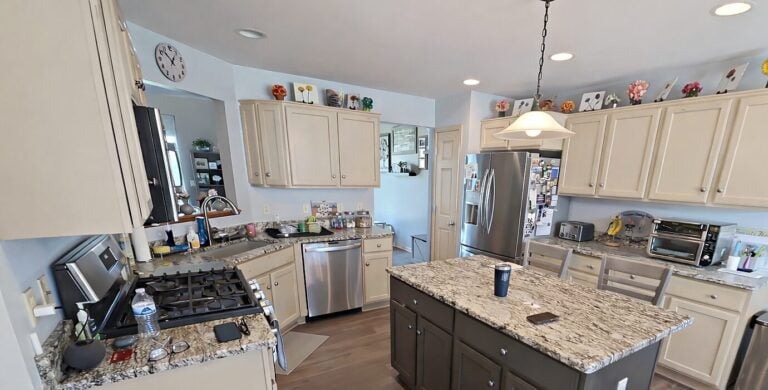
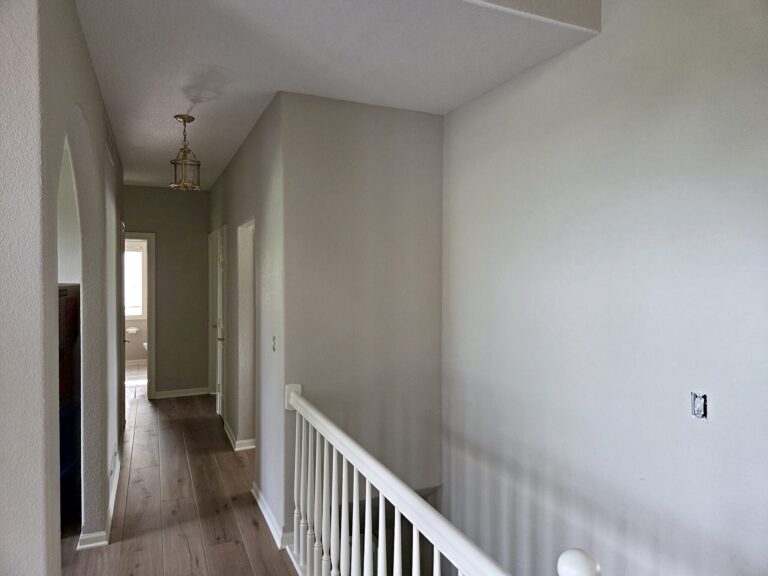
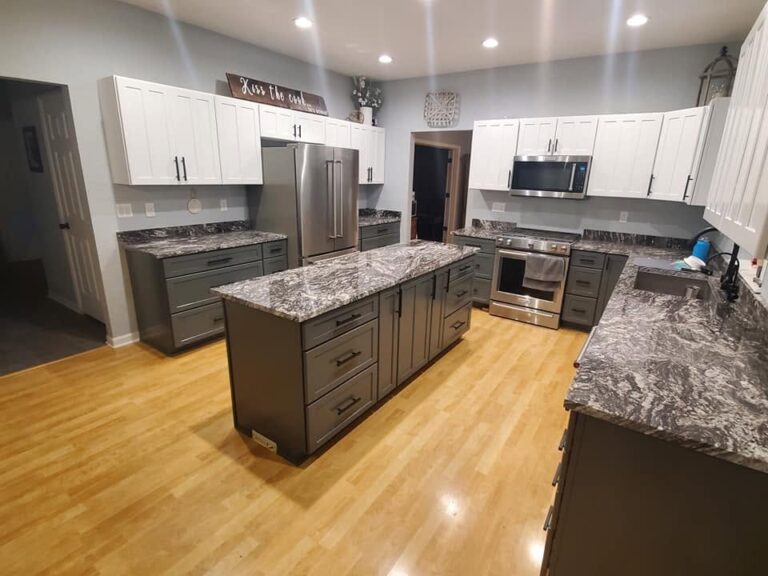
Send the rooms involved, approximate dimensions if known, photographs showing the full spaces, and close-ups of concerns. Explain whether the home is occupied, your timing preference, and which surfaces matter most. Photos can help begin the conversation, but they may not replace a site assessment.
Midwest Painting Pros can review your interior project and define an agreed scope. If the budget is a concern, ask about separating rooms or optional work into clearly described phases. Keep the necessary preparation attached to each phase rather than treating it as an invisible item to cut.