What should you confirm with the painter first?
Ask for a room-by-room plan. Confirm the surfaces being painted, the access needed, who handles larger furniture, and what can remain in each room. Benjamin Moore’s room-painting guidance emphasizes clearing or protecting furnishings; your proposal should assign those responsibilities rather than leaving both parties to assume the other will handle them.
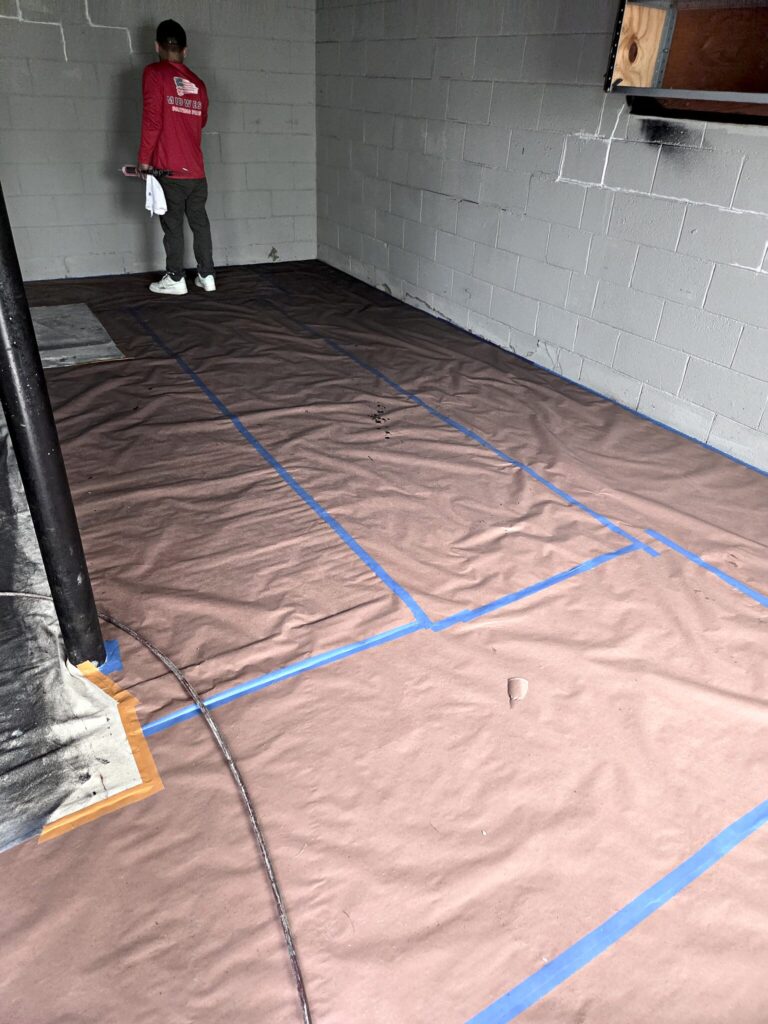
- Which rooms need to be available on the first day?
- Who moves beds, desks, appliances, and other large items?
- Who removes and reinstalls window treatments or wall-mounted items?
- Which belongings should be moved out rather than covered?
- What happens if an item cannot be moved safely?
| Homeowner preparation | Confirm in the project scope |
|---|---|
| Move valuables, medicines and daily-use items out of work areas. | Who moves and returns heavy furniture or appliances? |
| Choose a secure space for children and pets away from work. | Which rooms and routes remain accessible? |
| Identify fragile items, existing damage and fixed equipment. | Who removes fixtures and protects floors and remaining furnishings? |
| Have the approved color and surface list available. | Who handles repairs, cleanup and final product-care instructions? |
Which belongings should you clear yourself?
Start with personal, fragile, and irreplaceable items. Clear the agreed work areas of photographs, small decorations, clothing, paperwork, and electronics you need during the project. Keep essential medicines, chargers, keys, and work materials somewhere accessible outside the painting area.
Do not move heavy or awkward furniture simply because painting is scheduled. Arrange responsibility and any specialist help in advance. If a room contains a piano, aquarium, large cabinet, or sensitive equipment, mention it at the estimate rather than on arrival day.
Photograph wall arrangements if that will help you put them back. Label small items you remove, but leave electrical fixtures, wiring, or other work requiring appropriate expertise to the responsible professional.
Should you patch or sand the walls beforehand?
Not unless that work has been agreed. Show the painter holes, previous repairs, staining, and texture differences so the preparation can be specified. An improvised patch immediately before the job can introduce another finish or texture for the painter to evaluate. See which drywall repairs painters include.
For older homes, ask about the age of the painted surfaces before disturbing them. Wisconsin DHS explains that qualifying paid work disturbing paint in pre-1978 housing is subject to lead-safe renovation requirements. Do not sand or scrape suspect coatings as a homeowner “prep” task; arrange appropriate assessment and qualified handling where needed.
Also identify active leaks or damp areas. Painting should not be used to conceal an unresolved building problem. Ask whether repairs or another trade need to come first.
How can you plan around living in the house?
Explain which rooms must remain usable and when. A household with remote work, small children, pets, or shift workers may need a different access sequence. Ask what is practical for the proposed scope rather than assuming every room can remain available throughout the job.
- Set aside a route to bathrooms and essential living areas.
- Agree on entry, locking up, and communication during the day.
- Keep pets and children out of active work and storage areas.
- Identify a place for belongings removed from each room.
- Discuss product-specific ventilation and return-to-use instructions.
Plan ventilation beyond application day
EPA’s indoor painting guidance recommends outdoor ventilation during painting and for two to three days afterward, as conditions allow. Arrange the airflow plan before starting; a recirculating fan alone does not bring in outdoor air.
EPA Healthy Indoor Painting Practices. This is general ventilation guidance, not a product-specific clearance or a guarantee that a room is ready for every occupant.
Keep children and pets outside work areas
Arrange a separate, accessible space before the painters arrive. Do not rely on wet-paint warnings to keep children or animals away from tools, materials and freshly coated surfaces. Discuss any special household needs when the room sequence is planned.
A dry-looking wall is not an occupancy clearance. Follow the selected products’ directions and the agreed ventilation plan; raise individual household concerns before scheduling.
What information should be ready before work begins?
Prepare a final list of colors and sheens by surface, along with the approved scope. If choices are still open, agree on a decision deadline and what happens if it is missed. Confirm whether closets, ceilings, trim, doors, and accent walls are included instead of assuming “paint the bedroom” covers them all.
Walk through the rooms together if possible. Use that conversation to confirm existing damage and areas needing special attention. Keep changes in writing so added work, exclusions, and costs do not depend on memory.
What should happen when painting is finished?
Before moving everything back, request the care and return-to-use instructions for the actual coatings. Confirm when furniture can approach walls, when tape or decorations can be applied, and how to handle cleaning or touch-ups. Keep labeled product information for future reference.
Midwest Painting Pros can help define the preparation, protection, and access plan as part of your estimate. Share the rooms involved and the practical constraints up front; that makes it easier to plan an interior refresh around the home you actually live in.