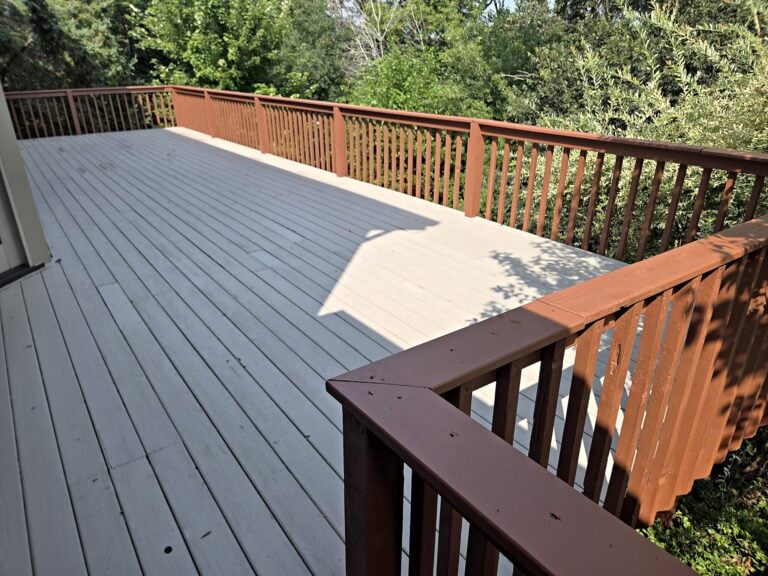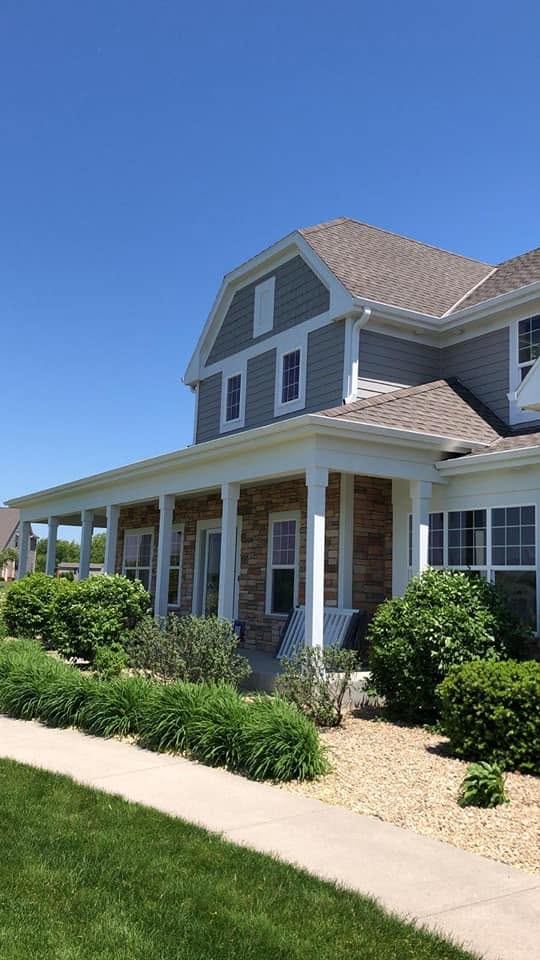
Is it a finish problem or a siding problem?
Faded color and worn paint tell you something about the coating, but they do not establish the condition of the material underneath. Likewise, fresh paint cannot straighten a warped panel, reattach a loose board, or correct a leak behind the wall.
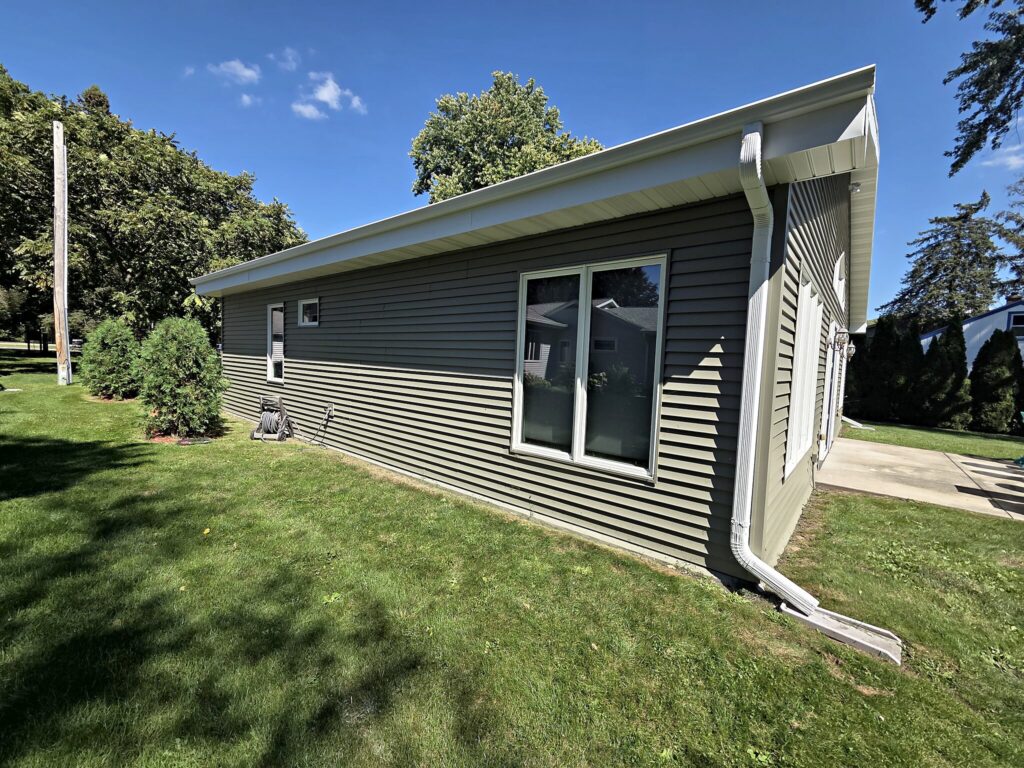
James Hardie identifies cracking, sagging, missing material, rot, and insect damage as reasons to evaluate existing siding. Those observations are useful inspection prompts, not proof that every affected home needs complete replacement. The location and extent of the damage matter. See James Hardie’s siding replacement considerations.
If the main symptom is flaking paint, start with the cause rather than assuming the siding is finished. Our guide to peeling exterior paint explains why moisture, preparation, and existing coatings belong in that conversation.
When should you repaint, repair, or replace siding?
This is a starting framework for an assessment, not a diagnosis from a photograph.
| What you notice | Option to evaluate | What to clarify |
|---|---|---|
| Sound siding with an unwanted color | Prepare and repaint. | Is the material paintable, and is the proposed color and coating compatible? |
| Worn or peeling finish on otherwise intact boards | Investigate the failure, then prepare and repaint if suitable. | Is the problem limited to the coating, or is moisture or material damage involved? |
| A few damaged boards or trim pieces | Targeted repairs followed by coating. | Can matching replacement material be obtained, and what caused the damage? |
| Damage spread across many areas | Compare substantial repairs with replacement. | How much serviceable material would remain, and what work is hidden behind it? |
| Loose panels, recurring leaks, or suspected wall damage | Building-envelope or siding assessment first. | Who will resolve the underlying issue before painting is considered? |
A reasonable proposal should explain why its recommended option fits the house. Be cautious of both extremes: replacing serviceable siding without explaining why, or offering paint as the solution to every visible problem.
Does the siding material change your options?
Wood and cedar
Ask the estimator to distinguish deteriorated boards from weathered coatings. The existing finish also matters: maintaining a stained appearance is a different objective from creating a painted finish. Review the approach for wood siding painting or cedar siding before assuming the same preparation fits both.
Vinyl and aluminum
First establish whether the panels are stable and suitable for coating. Color is an additional constraint for vinyl: Sherwin-Williams limits its darker-color options to specified VinylSafe colors and suitable products on sound, stable siding. The siding manufacturer’s requirements also need checking; a paint color should not be chosen independently of the installed material. Read Sherwin-Williams’ vinyl warping guidance.
Our vinyl and aluminum siding painting pages describe the different evaluation questions.
Midwest Painting Pros replaces damaged vinyl panels where included in the agreed project scope, then evaluates the remaining siding for painting.
Engineered wood and fiber cement
Identify the product and whether its finish was factory-applied before agreeing to repairs or repainting. Ask for the applicable manufacturer’s maintenance and coating instructions. A long product warranty should not be treated as a promise that the finish needs no care, or as permission to ignore installation defects.
Factory finish does not rule out repainting
LP publishes a repainting procedure for ExpertFinish: clean without a pressure washer, let the surface dry completely, and use a high-quality 100% acrylic exterior paint intended for wood and engineered wood. It recommends two unthinned coats at the paint manufacturer’s spread rate.
LP ExpertFinish care and maintenance, May 2024. This supports repainting a suitable surface; it does not establish that damaged boards can be saved.
Warped vinyl is a material problem
Sherwin-Williams calls for a siding or repair assessment when vinyl has warped or buckled; replacement may be necessary. VinylSafe colors are intended for sound, stable siding. A compatible color cannot reverse an already deformed panel.
For LP SmartSide, Midwest Painting Pros repaints both field-finished siding and factory-finished ExpertFinish, following the installed product’s cleaning and repainting requirements.
Can you replace only the damaged boards?
Sometimes, but availability and access can change the scope. Ask whether the replacement profile and thickness will match, whether adjacent boards must be disturbed, and how the repaired area will be finished. Replacing one piece does not necessarily mean painting only that piece will produce a visually consistent result.
Request a clear division between identified repairs and conditions that cannot be confirmed until work begins. For example, the written scope can identify visible damaged trim while separately explaining how additional concealed damage would be documented and approved.
Midwest Painting Pros can include agreed carpentry repairs with a painting project. Extensive siding replacement, structural concerns, or unresolved wall-water problems may require a separate specialist. Those needs should be identified rather than covered with a coating.
How do you compare repainting and replacement costs?
There is no useful universal percentage that tells you when replacement becomes the better buy. Compare proposals for your actual house, including preparation, repairs, access, disposal, trim, and any work outside the painter’s scope. A repaint price without necessary repairs is not directly comparable to a replacement proposal that includes them.
- For repainting: identify the surfaces retained, preparation required, repairs included, and finish system proposed.
- For replacement: identify removal, new material, trim transitions, and responsibility for conditions found behind the siding.
- For either option: ask what maintenance remains and which exclusions or unresolved conditions could change the price.
Use our exterior estimate comparison checklist to make those differences visible before choosing a contractor.
What evidence should you gather before an assessment?
Take an overall photo of each accessible side from the ground, followed by closer photos of the areas that concern you. Note whether the problem has returned after earlier work, whether it changes after rain, and whether your goal is maintenance, a color change, or resolving damage. Share any siding identification, previous coating records, and repair history you have.
Do not climb or disturb deteriorated surfaces just to collect information. For pre-1978 homes, discuss lead-safe requirements before work that disturbs old paint. Wisconsin DHS explains lead-safe renovation requirements.
Common paint-or-replace questions
Does peeling paint mean the siding must be replaced?
No. Peeling is a coating symptom, not a complete assessment of the siding. The decision depends on the underlying material, the cause of failure, and the extent of any damage.
Should I repaint before selling the house?
Separate appearance improvements from known defects. Ask for a scope that addresses needed repairs rather than concealing them, and compare the project with your sale timeline and priorities. A repaint should not be presented as a guaranteed return on investment.
Can I get an estimate before deciding?
Yes. Tell Midwest Painting Pros that you are weighing repairs and repainting against replacement. An exterior painting assessment can help clarify the painting scope and where another trade’s input is needed. You do not need to choose a paint color before starting that conversation.