How do you make painting estimates comparable?
Give each contractor the same starting brief: what you want painted, what you want left alone, whether colors will change, and any damage you have noticed. Include detached garages, porches, shutters, doors, and trim if they are part of the project. “Paint the exterior” can mean different things to different people.
Ask whether the price is a preliminary budget or a proposal based on a property assessment. If access or hidden conditions remain unresolved, find out which parts of the price could change. Wisconsin DATCP recommends obtaining multiple estimates for the same work and putting the agreement in writing. Read DATCP’s home improvement consumer tips (PDF).
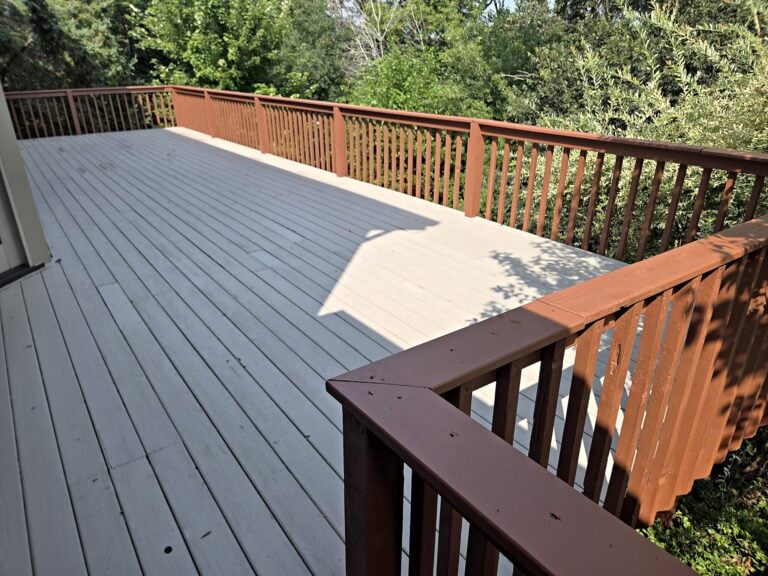
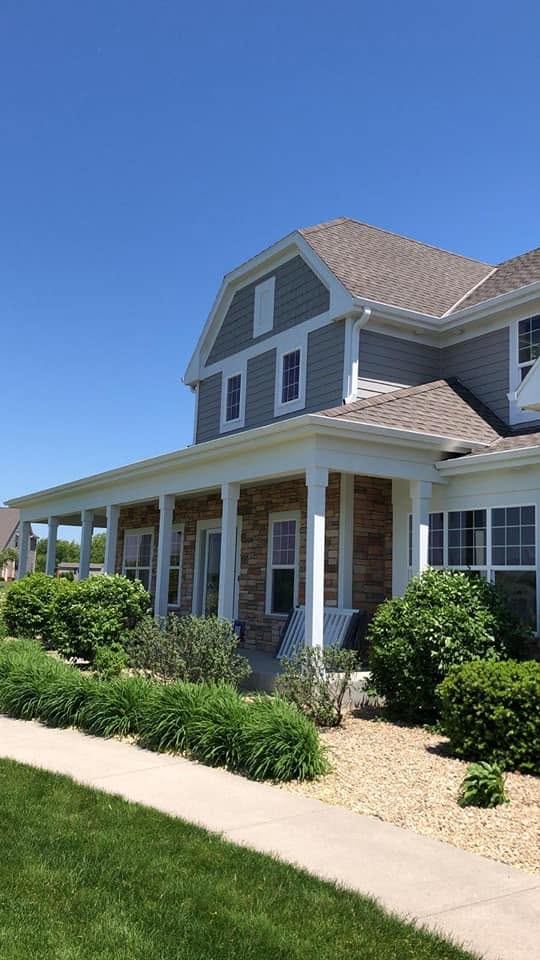
It helps to mark the included areas on a few photographs. For example, identify the front porch ceiling separately from its columns and railing. That gives everyone a clearer starting point than a single total labeled “house painting.”
What should an exterior painting estimate include?
For each row, mark every proposal clear, unclear, or excluded. An exclusion is not necessarily a problem; an unnoticed difference is.
| Item | What to compare | Question to ask |
|---|---|---|
| Surfaces | Siding, trim, doors, shutters, porch details, and outbuildings. | Which areas are not included? |
| Preparation | Cleaning, loose-paint removal, sanding, and preparation of existing coatings. | What does “prep as needed” mean on this house? |
| Repairs | Named repair locations, included work, allowances, and unresolved conditions. | How will additional damage be priced and approved? |
| Coating system | Primer and finish products, sheen, colors, and application scope. | Are primer and finish coats described separately? |
| Protection | Windows, roofing, landscaping, fixtures, and nearby property. | Who moves furniture and protects the surrounding areas? |
| Schedule and access | Expected start, working sequence, weather interruptions, and access needs. | How will schedule changes be communicated? |
| Completion | Cleanup, debris removal, walkthrough, and handling of touch-ups. | What happens before the work is considered complete? |
| Commercial terms | Total, payment milestones, optional work, and written warranty terms. | What could change the amount I pay? |
Do not assign a quality score just by counting checkmarks. If a proposal excludes a surface you do not want painted, that may be exactly right. Use the table to establish comparable scope, then weigh communication, relevant experience, and price.
Are preparation and repairs actually included?
These two categories deserve separate conversations. Preparing sound material for coating is different from replacing damaged material. Ask the contractor to identify which conditions belong in each category and which work, if any, requires another trade.
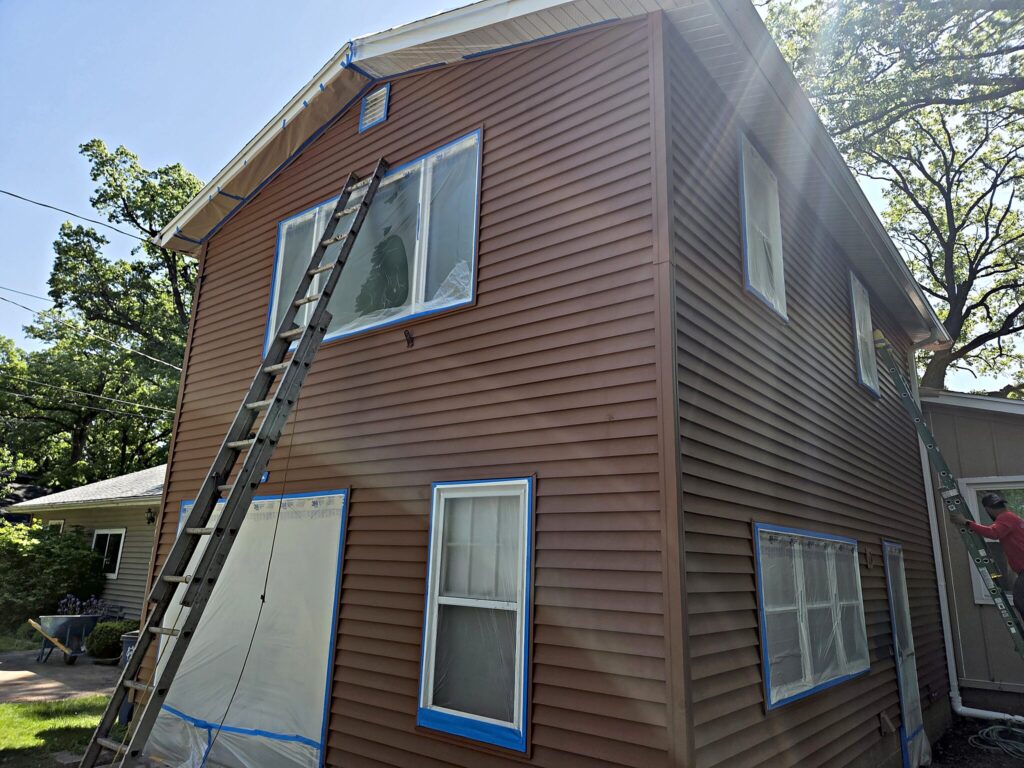
A request such as “include the damaged board beside the garage door” is more useful than “include any repairs.” Ask for the location and extent of known repairs, plus a process for approving newly discovered work. See our carpentry and repair services and trim, fascia, and soffit painting for related scope considerations.
If the home was built before 1978, raise that before anyone disturbs old coatings. Wisconsin has lead-safe renovation requirements for covered work; ask about the applicable company and renovator certifications and the work plan. A general insurance statement is not a substitute for checking those qualifications. Wisconsin DHS explains lead-safe renovation.
What does a clearer proposal look like?
The following is an illustrative comparison—not an actual Midwest Painting Pros proposal. It shows the details to request, not a coating specification for your house.
| Broad wording | Clarification to request |
|---|---|
| “Paint house and trim” | List the elevations and trim components. State whether the garage door, gutters, porch ceiling, and shutters are included. |
| “Repair wood as needed” | Identify known repair locations. Separate included repairs from work that requires a further approved price. |
| “Premium paint” | Name the proposed finish, sheen, primer where specified, and the surfaces receiving each. |
| “Two coats” | Explain whether that means two finish coats, where primer is used, and how the specified application will be achieved. |
| “Warranty included” | Provide the written coverage, duration, exclusions, and process for reporting a concern. |
The goal is a shared understanding—not a longer document for its own sake. A short, specific proposal can be easier to evaluate than several pages of generic promises.
Why is the paint brand alone not enough?
Two estimates can name the same manufacturer and still propose different products or applications. Ask what is intended for the siding versus the trim, how the existing finish affects the choice, and where primer is specified. “Paint and primer” on a product label does not describe all the preparation included in a contractor’s price.
Keep the conversation tied to your surfaces. An estimate for cedar siding may involve a paint-versus-stain decision; vinyl siding brings different color and product questions. Ask the contractor to explain the proposed system rather than choosing by a brand name alone.
A spread rate is part of the specification
Hallman Lindsay WEATHERGUARD Satin 172 lists theoretical coverage of 400 square feet per gallon. Its sheet says working quantities must allow for application losses, texture, porosity, and technique. Compare the application requirements as well as the number of coats.
WEATHERGUARD 172 technical sheet, May 2021. This is a product example, not the specification for every home.
The siding has requirements too
LP’s ExpertFinish repainting instructions recommend two coats of unthinned, high-quality 100% acrylic exterior paint formulated for wood and engineered wood, at the paint manufacturer’s spread rate. A proposal for that product should account for those instructions.
LP ExpertFinish care instructions, May 2024. These instructions apply to ExpertFinish, not every siding finish.
For timing, ask how the proposed materials and forecast affect the schedule. Our Wisconsin exterior painting weather guide explains why a warm afternoon is not the entire weather window.
What could change the price after you accept?
Before accepting a proposal, ask whether its total covers the agreed scope or contains allowances that will be reconciled later. Identify optional upgrades and who must approve changes. If a conversation changes the work, request an updated written scope before relying on the new total.
Read the payment schedule and written warranty terms, distinguish contractor workmanship coverage from product coverage, and confirm whom to contact after completion.
Midwest Painting Pros provides a two-year workmanship warranty on completed exterior painting and staining projects. Your written proposal documents the scope and warranty details.
DATCP’s consumer guide also addresses contracts, payments, and lien waivers. Use that official resource for Wisconsin consumer protections; this article is a project-comparison checklist, not legal advice.
Questions homeowners ask when comparing estimates
Should I always choose the middle-priced estimate?
No. The middle number does not establish the best scope or workmanship. First resolve differences in what is included. Then consider the contractor’s explanation, relevant work, references, and whether you are comfortable with the written terms.
Does a higher price mean the paint job will last longer?
Price alone cannot establish that. Ask what accounts for the difference. It might be a broader repair scope, additional surfaces, or a different coating system—but the proposal should make that visible rather than asking you to infer it.
Should every painter price the same number of coats?
Ask each contractor to explain the application proposed for the actual surface and product. If their recommendations differ, clarify why. A coat count without the product, preparation, and included surfaces is not a complete comparison.
What if an estimate does not mention something we discussed?
Ask for written clarification before accepting it. Keep the revised proposal with the original and confirm which version controls. It is easier to resolve a missing shutter or repair allowance before the project begins.
Bring a clear brief to your exterior estimate
For an exterior project in Waukesha County or the surrounding service area, gather a few photos, list the areas you want included, and note your questions about condition or timing. Midwest Painting Pros can evaluate the project and explain the proposed work. Explore our exterior painting services to see the surfaces we work with.
If your project involves a failing finish, our guide to peeling exterior paint and repair decisions can help you prepare questions about the cause, not just the next coat.
You do not need to solve every technical question before reaching out. The useful starting point is knowing what you want changed—and making sure the estimate describes it.