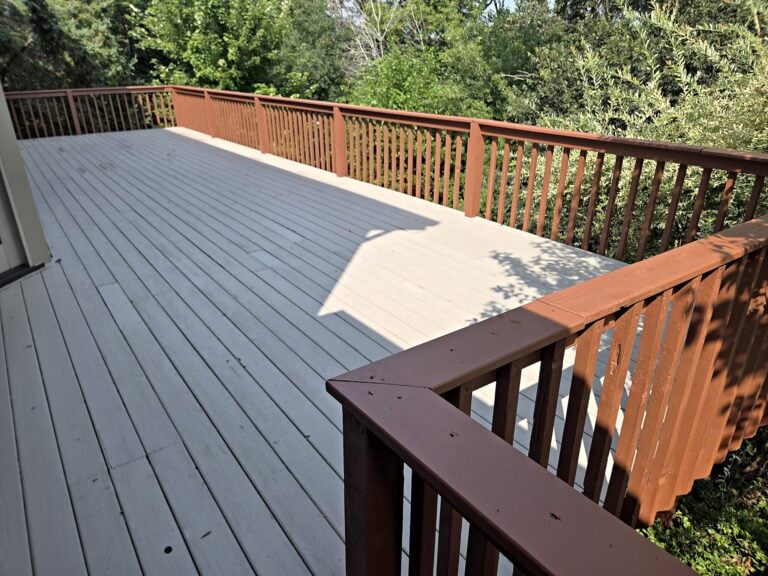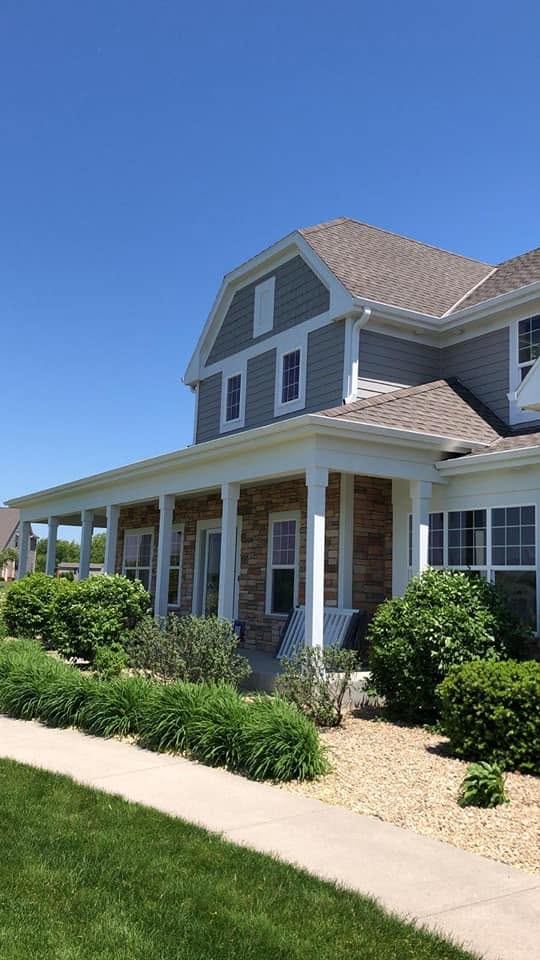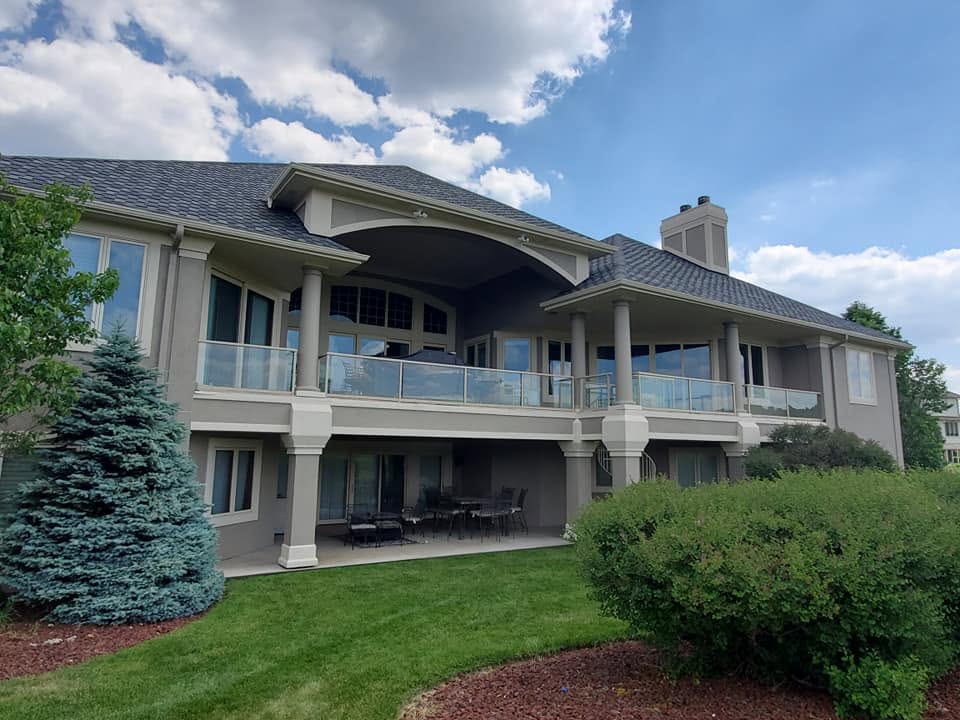
Why can similar-sized houses cost different amounts to paint?
Consider two hypothetical homes with the same interior floor area. One has straightforward access and mostly intact siding coatings. The other has extensive peeling, detailed porch trim, high gables, and boards needing repair. Their floor plans may be comparable, but their painting work is not.
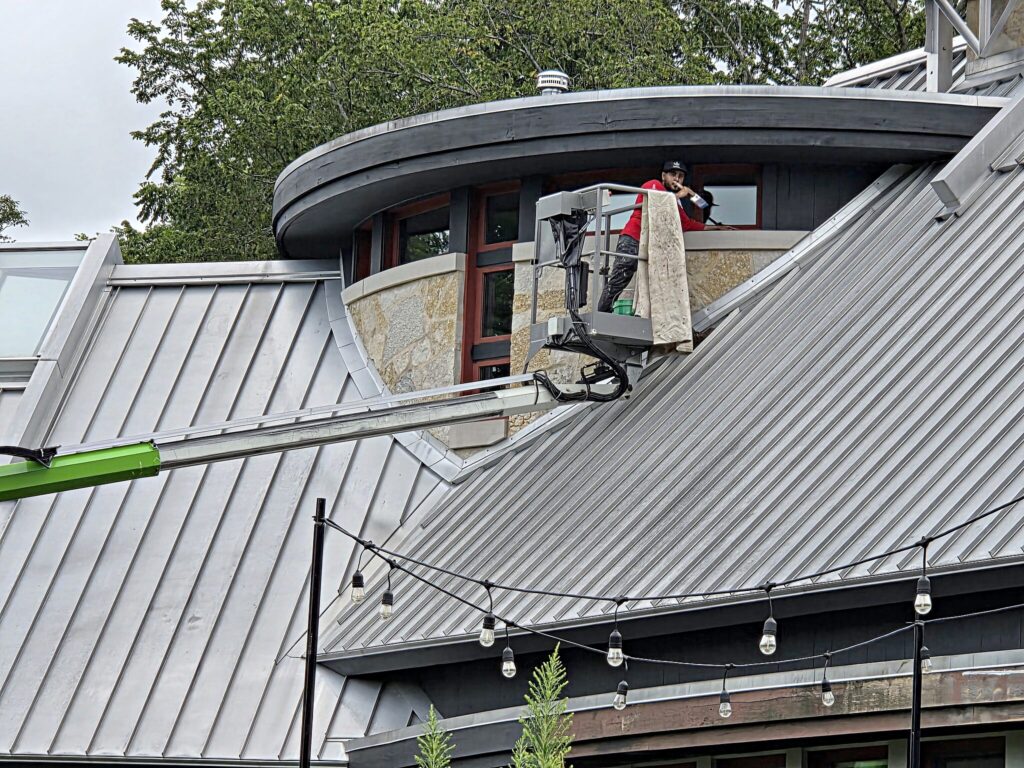
Even the word “exterior” can hide a difference. One proposal may include only siding, while another includes doors, shutters, soffits, fascia, and a detached garage. Resolve those differences before comparing the totals.
Wisconsin DATCP recommends getting multiple estimates for the same work and having the contractor visit the site rather than relying on a telephone estimate. Its consumer guidance also emphasizes a written agreement. Read DATCP’s home improvement tips.
What changes the price of exterior painting?
| Factor | Details that define the work |
|---|---|
| Included surfaces | Siding, trim, doors, shutters, porch features, and outbuildings; note exclusions. |
| Existing condition | Intact coatings, peeling areas, bare surfaces, staining, and unresolved issues. |
| Preparation | Cleaning, coating preparation, protection, and primer requirements for each material. |
| Repairs | Named repair locations, agreed carpentry, and the process for additional findings. |
| Access and detail | Height, roof transitions, site constraints, and intricate features that require attention. |
| Finish plan | Specified products, colors, sheen, and application scope. |
| Separate work | Items priced as options or handled by another trade, rather than silently omitted. |
The table is a way to describe your project, not a formula that assigns a fixed premium to each feature. Ask the estimator which factors matter most on your house and how they are reflected in the proposal.
How does paintable area affect material quantity?
Use exterior surface area multiplied by coat count, then divide by the specified spread rate. That estimates coating volume; it does not calculate labor, repairs, primer, or a finished project price.
For one documented example, Hallman Lindsay WEATHERGUARD Satin 172 gives a theoretical spread rate of 400 square feet per gallon. The table applies that rate to an illustrative 2,000-square-foot paintable surface—not a 2,000-square-foot floor plan.
| Application example | Calculation | Theoretical quantity |
|---|---|---|
| One coat | 2,000 sq. ft. ÷ 400 sq. ft./gal. | 5 gallons |
| Two coats | 2,000 sq. ft. × 2 ÷ 400 sq. ft./gal. | 10 gallons |
This is why a gallon price cannot explain an entire painting estimate. Measured area and the specified system establish part of the material requirement; preparation and access still define separate work. A useful price for your home requires those quantities and conditions to be assessed together.
Which work is necessary, and which can be optional?
Make two lists before the estimate visit. The first contains the work you want assessed as part of the core project. The second contains possible additions, such as another door, an outbuilding, or a broader color change. Ask which options can be priced separately.
Do not classify necessary repairs as optional merely to make the base number smaller. Instead, ask the contractor to explain which conditions must be resolved for the painting work to make sense and which appearance changes can genuinely be considered separately.
For example, agreed carpentry repairs may be part of preparing an exterior for coating. Structural concerns, active leaks, or extensive replacement may require another trade’s assessment. A painting proposal should identify that boundary rather than promise that paint will solve it.
How should you budget for concealed damage?
A property visit does not reveal every concealed condition. The important question is how additional findings will be documented, priced, and approved if they arise.
- Which repair locations are already included?
- Are any allowances provisional, and what do they cover?
- What would trigger a revised scope or a separate specialist?
- How will you receive the explanation and price before approving extra work?
- Will the decision affect other planned surfaces or the schedule?
Keep a separate budget line for identified work outside the painting proposal. That makes the total plan clearer than treating the painter’s number as the complete cost of every exterior improvement you are considering.
How can you control the scope without cutting necessary prep?
Share clear photos, list the surfaces, explain known problem areas, and say whether you are maintaining the current appearance or changing it. If you have previous product records or repair information, make them available. Better information helps prevent a proposal from being based on the wrong brief.
If the full scope exceeds your budget, ask about defensible alternatives: leaving out a genuinely optional surface, separating an outbuilding, or planning different parts of the work at different times. Ask about the trade-offs, including appearance and repeated setup, rather than assuming a smaller first visit always lowers the overall cost.
Do not ask to remove necessary preparation without understanding the consequence. Our peeling-paint guide explains why unresolved coating problems deserve more than a fresh topcoat.
Questions about exterior painting prices
How much does it cost to paint a 1,500 square foot house exterior?
The listing’s 1,500 square feet is interior floor area, not the siding and trim being painted. A one-story 1,500-square-foot home can have less paintable surface than a two-story home of the same size, or more if it has gables, a walkout or detailed trim. Use our planning range of $3,000–$8,000 for about 2,000 square feet of paintable surface as a starting point, then get the surfaces measured.
Can I use the square footage on my real-estate listing?
It can help describe the home, but it is not the same as paintable wall area or a complete labor scope. Heights, openings, trim, access, and condition still need assessment.
Can photos produce a final estimate?
Photos are useful for the initial conversation. Ask whether any number supplied from them is preliminary and what needs confirmation at the property before the final scope is agreed.
Does a higher paint price explain a higher project estimate?
It may be one difference, but ask about the complete scope. Preparation, repairs, included surfaces, and access can differ too. A product label alone does not establish what work the total covers.
Where do I start if I am only budgeting?
Tell Midwest Painting Pros that you are planning ahead. Request an exterior painting assessment with your priorities and known concerns. Once proposals arrive, our comparison checklist helps you compare the work, not just the bottom-line amount.